
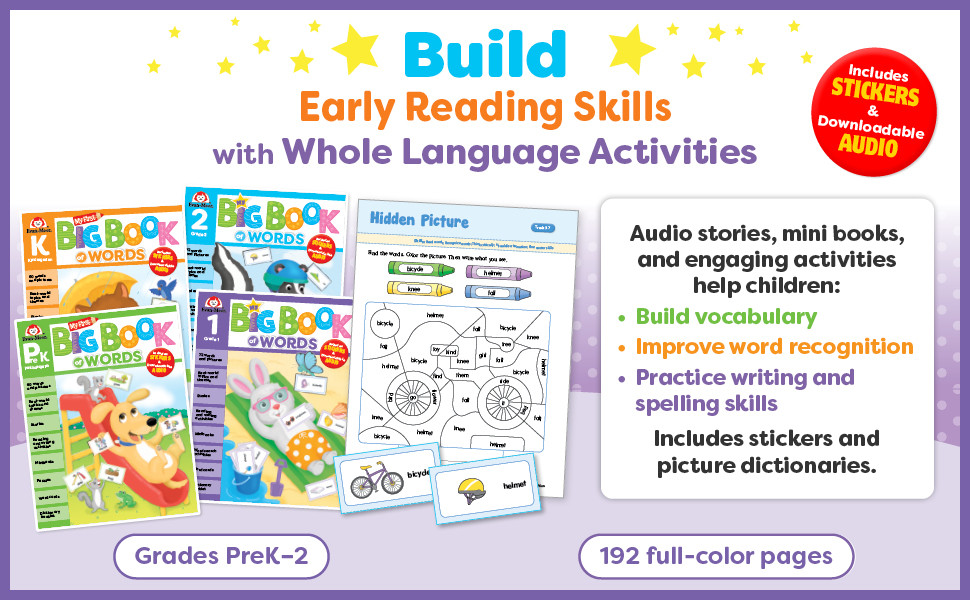
Building Early Reading Skills with Whole Language Activities
When it comes to teaching young children to read, parents and educators often hear about phonics-based instruction. While phonics is important, it is only one piece of the literacy puzzle. A whole language approach focuses on helping children understand that reading is meaningful, enjoyable, and connected to real life.
If you run a homeschool or classroom, incorporating whole language activities can add balance to structured phonics programs and help children become confident, joyful readers.
Let’s explore how whole language supports early reading—and how you can implement it effectively.
What Is Whole Language?
Whole language is an approach to reading instruction that emphasizes:
- Learning words in meaningful context
- Exposure to real books and authentic texts
- Integration of reading, writing, speaking, and listening
- Encouraging a love of literature
Rather than focusing only on isolated sounds or worksheets, children experience language naturally—through stories, conversation, and purposeful writing.
This approach is especially powerful in early childhood because young learners develop literacy best when it is connected to their world.
Why Whole Language Works for Early Learners
Young children are wired for stories. Before they ever decode a word, they:
- Recognize logos and environmental print
- Memorize favorite books
- Retell stories from memory
- Understand that print carries meaning
Whole language builds on these natural abilities.
Key Benefits
- Builds comprehension early
- Develops vocabulary naturally
- Encourages critical thinking
- Increases reading confidence
- Fosters a lifelong love of books
When children see reading as meaningful—not just mechanical—they engage more deeply.
Balancing Whole Language and Phonics
Whole language does not mean ignoring phonics. In fact, the strongest literacy programs combine:
- Explicit phonics instruction
- Rich literature exposure
- Meaningful writing opportunities
- Vocabulary development
- Comprehension strategies
If you already use structured programs like phonics-based curricula, whole language activities provide the context that makes those skills stick.
Tips for Parents and Homeschoolers
- Keep reading time relaxed and enjoyable
- Let children choose books
- Don’t interrupt every decoding mistake
- Model fluent reading
- Celebrate progress, not perfection
Reading confidence grows through positive experiences.
Recent Posts
-

MARCH MADNESS SAVINGS: Tuttle Twins
IT’S MARCH MADNESS AT TUTTLE TWINS…SAVE BIG TODAY! It's tournament season. Everyone's picking winner …Mar 16th 2026 -
$100 GIFT CERTIFICATE GIVEAWAY!
Giveaway: Enter to Win a $100 Gift Certificate EVERY WEEK! All About Reading This scripted, open-a …Mar 15th 2026 -

SAVE 20% - IXL
Find content to match nearly any lesson Our K-12 curriculum offers more than 8,500 custom-built ski …Mar 14th 2026